Technology & Product

Technology Image

Overview of Technology

In-situ forming gels are innovative polymer hydrogel systems that transition from liquid to gel upon administration, triggered by factors like temperature, pH, light, or ions. One of the significant applications of this technology is the development of in-situ embolic agents, which are used to occlude blood vessels in the management of tumors and vascular disorders.

Our in situ gelling solution is designed to be injected as a liquid and rapidly transforms into a gel in response to body temperature.
Clinical Need

Embolization therapy is a minimally invasive procedure that treats certain conditions like hypervascular tumors by blocking their blood supply, which deprives them of oxygen and nutrients, potentially leading to shrinkage or death. A catheter is inserted into a blood vessel feeding the tumor to inject embolic agents that either obstruct the blood flow or deliver targeted therapy. This technique is applicable for both primary and metastatic tumors, providing tumor reduction, symptom relief, decreasing surgical bleeding, and facilitating surgical removal if necessary.

While embolization has become an accepted modality of cancer treatment, the procedure still has a number of limitations and challenges:

NovaSeal™: Our innovative hydrogel solution

NovaSeal™'s innovative nature lies in its biocompatible hydrogel technology, which transforms from a liquid into a gel inside the body, allowing deep penetration into tumor vasculature for effective vessel blockage.

Potential Advantages:

  • Efficacy: Controlled, precise, deep delivery for complete occlusion
  • Safety: Biodegradable, biocompatible, solvent- and heavy metal-free
  • Ease of use: Simple, ready-to-use radiopaque solution
NovaSeal Hydrogel Solution

How it works

1

The formulation

NovaSeal™ is composed of a biocompatible polymer mixture preloaded with a contrast agent that transitions from a liquid to a gel state at a critical temperature.

2

Microcatheter delivery

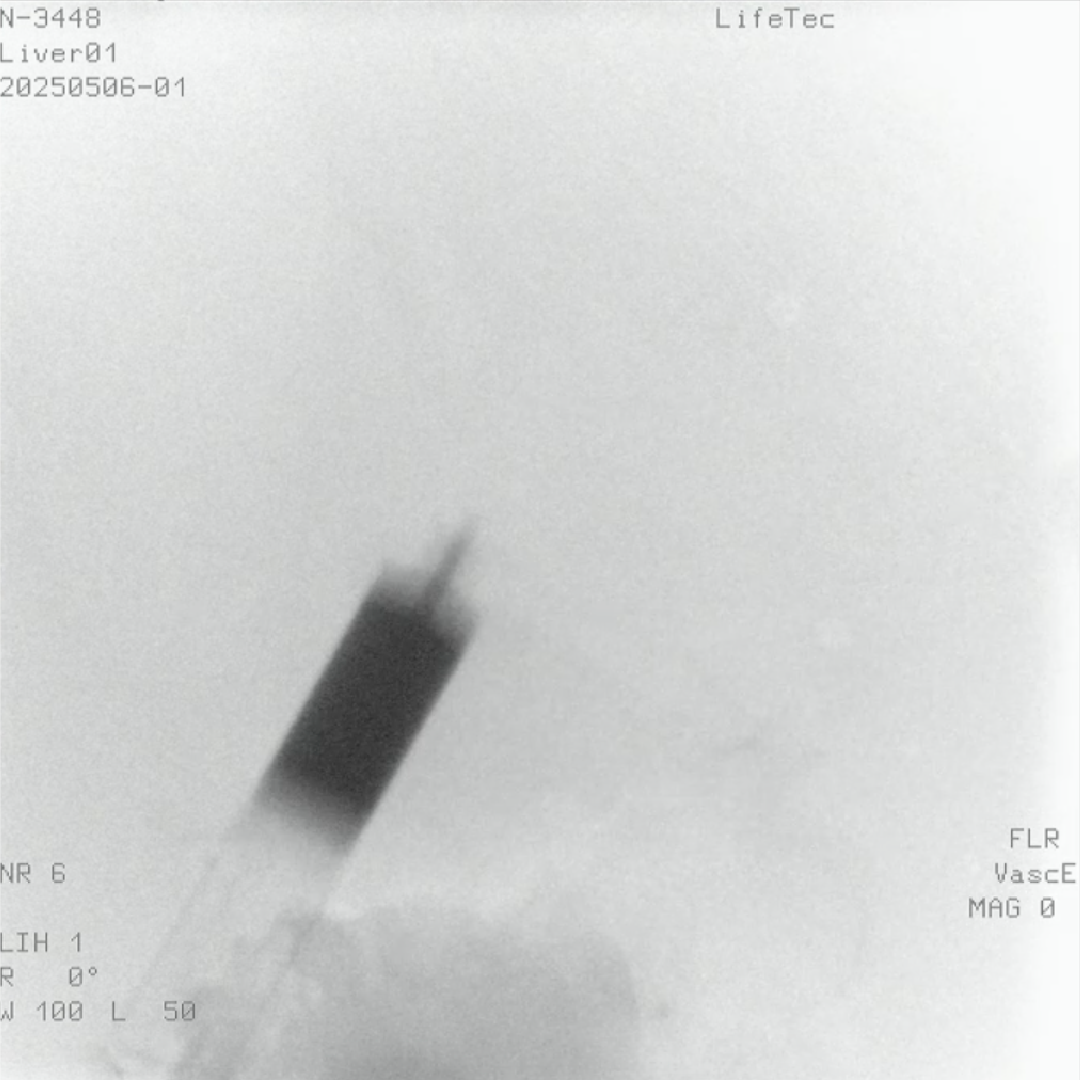
Packaged in a sterile syringe with a standard Luer lock tip, it is injected into a target vessel via intravascular catheters under real-time imaging guidance.

3

Gel formation

Upon injection, NovaSeal™ forms a hydrogel embolus, creating a mechanical barrier that occludes blood flow to the target area.

4

Occlusion

The formed hydrogel creates a precise mechanical barrier that effectively blocks blood supply to hypervascular tumors, starving cancer cells of oxygen and nutrients.

Project Development to Date

In-vitro Results

Demonstrated rapid and robust gelation, enhanced mechanical stability, and excellent biocompatibility with minimal tissue irritation.

Ideal composite structure for radiopaque agent loading and potential for real-time image monitoring.

In-vivo Studies

Our team is now focused on designing the preclinical studies, which will pave the way for further verification of NovaSeal™'s safety and efficacy. Following this, we will lay the groundwork for clinical trials and prepare for our entry into the global market.